Which RV Battery Is Right for You? Here’s What to Know

Motorhome Showdown: Class A vs Class C – What’s Right for You?
August 8, 2025
The Ultimate RV Inspection Checklist Before You Hit the Road
September 10, 2025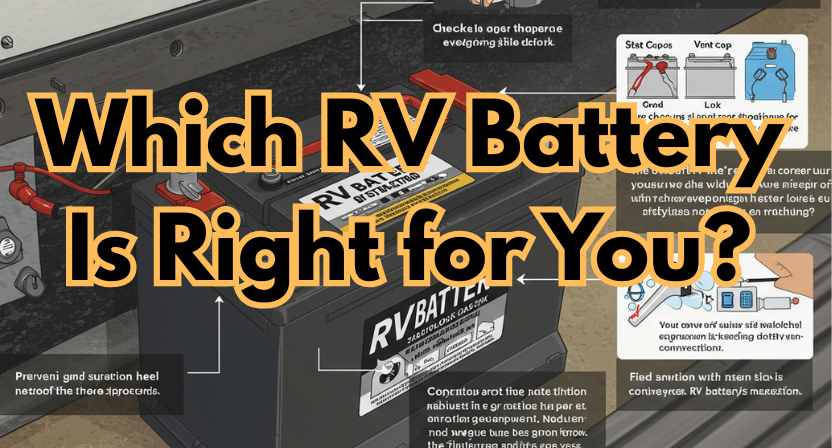
Looking to plan an escape from the struggles of life on a weekend getaway or an adventure that takes you cross-country, a good RV battery can help you get rid of any electrical issues on the road. The battery is the heart of the electrical component of your camper, like the appliances, climate controls, lights, and more.
However, there are many options available like lithium, AGM, flooded lead-acid, and it’s important to select the one that matches your travelling preferences, budget, and energy requirements too. In this article, we’ll cover everything you need to know about choosing the right RV battery for your trailer. Also, let’s uncover what should be your best choice for boondocking. Let’s charge up!.
Best RV Battery for Long Trips
When choosing the best RV battery for long trips, you should go for the one that comes with a high capacity, has good endurance, and unmatched longevity. Lithium-ion batteries come out on top in this regard as they have been time-tested for extended travel usage.
Furthermore, these batteries are lightweight, provide a consistent power output, and charge rather quickly without excessive battery wear.
Major Advantages for Long Trips
- Longer lifespan
- Better capacity
- Quicker charging times
- Low maintenance
Therefore, for those who are out on the road frequently, lithium batteries make a lot of sense as they are better in the long run and require less time to charge
Lithium vs AGM RV Battery
When contrasting a lithium (LiFePO4) battery with an AGM (Absorbed Glass Mat) battery, here are some of the things you should consider when choosing either for powering your RV.
| Feature | Lithium Battery | AGM Battery |
| Weight | Light | Heavier |
| Lifespan | 8-10 years | 3-5 years |
| Usable Capacity | 100% | 50% |
| Charging Speed | Fast | Moderate |
| Maintenance | None | Low |
| Cost | High | Moderate |
As you can see, lithium batteries make much more sense for full-time campers or those looking to plan a cross-country adventure trip. However, the AGM batteries provide a more cost-friendly option, which makes them a great option for people who use their recreational vehicles occasionally.
Best RV Battery for Boondocking
Boondocking, or camping without any stops, requires a battery that can endure power requirements for longer periods without the need to recharge it. The best RV battery for boondocking in this regard is a lithium battery because of its high energy sustainability and longer discharge times.
Benefits of off-grid living:
- Can be drained wholly without any damage
- Can be charged from solar panels
- Persistent voltage output even at low charges
- Lesser weight, takes up less space
But if there are budget limitations, a good-quality AGM battery can also do the job at a much lower price and provides the option of pairing up with solar and energy-conserving appliances.
How Long Do RV Batteries Last?
The lifespan of your camper’s battery is linked to the type of battery, usage, and how well it’s kept:
- AGM Battery: 4-6 years
- Lithium: 8-10 years
- Flooded lead-acid: 2-4 years
Factors Affecting Battery Life:
Depth of Discharge (DoD):
Draining below 50% can significantly reduce the lifespan of lead-acid batteries.
Charging Preferences:
Overcharging or undercharging can also harm battery life.
Temperature Exposure:
This means that extreme heat or cold temperatures can significantly affect battery efficiency and lifespan.
Pro Tip:
Getting your battery regularly maintained and adopting the best charging habits can extend the battery life for years.
RV Battery Maintenance Tips
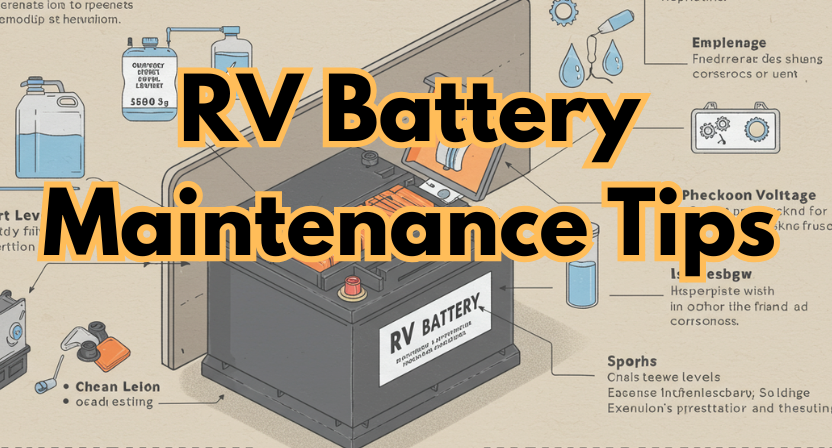
Proper care for any type of battery not only extends the battery life but also makes sure that you get the same performance you did when you first bought the battery.
The following are some essential maintenance tips:
- Keep the terminals clean and free from corrosion using a mixture of baking soda and water.
- Check fluid levels in lead-acid batteries and refill them with distilled water when required.
- When not in use, store batteries fully charged in a cool, dry place.
- It is recommended to use a smart charger or solar panel to get rid of overcharging.
- Avoid long discharges on AGM or flooded batteries and maintain at least a 50% charge.
- Disconnect batteries when storing your camper in the off-season to avoid phantom drain.
Selecting the Right RV Battery
When buying a new battery for your trailer, consider the following important factors:
Usage:
See whether you’re a seasonal camper or a full-time RVer.
Budget:
Lithium batteries are costlier but can save you bucks in the long run.
Weigh and Space
In this regard, lithium batteries take up less space and are lightweight too.
Energy Needs
For campers with larger systems like inverters and microwaves, there might be a need for a larger battery. For RVers who use their camper occasionally, AGM or lead-acid batteries will do the job. However, for longer trips, lithium batteries are a better choice.
The Verdict
Selecting the right RV inspection service and battery is important and can provide an effortless and comfortable riding experience. Conclusively, lithium batteries provide the best performance for RV enthusiasts and boondockers alike. That being said, the best battery for you is the one that suits your energy needs, budget, and travel preferences.
Frequently Asked Questions